Article
When Is the Best Time to Swim with Humpback Whales in Tonga?
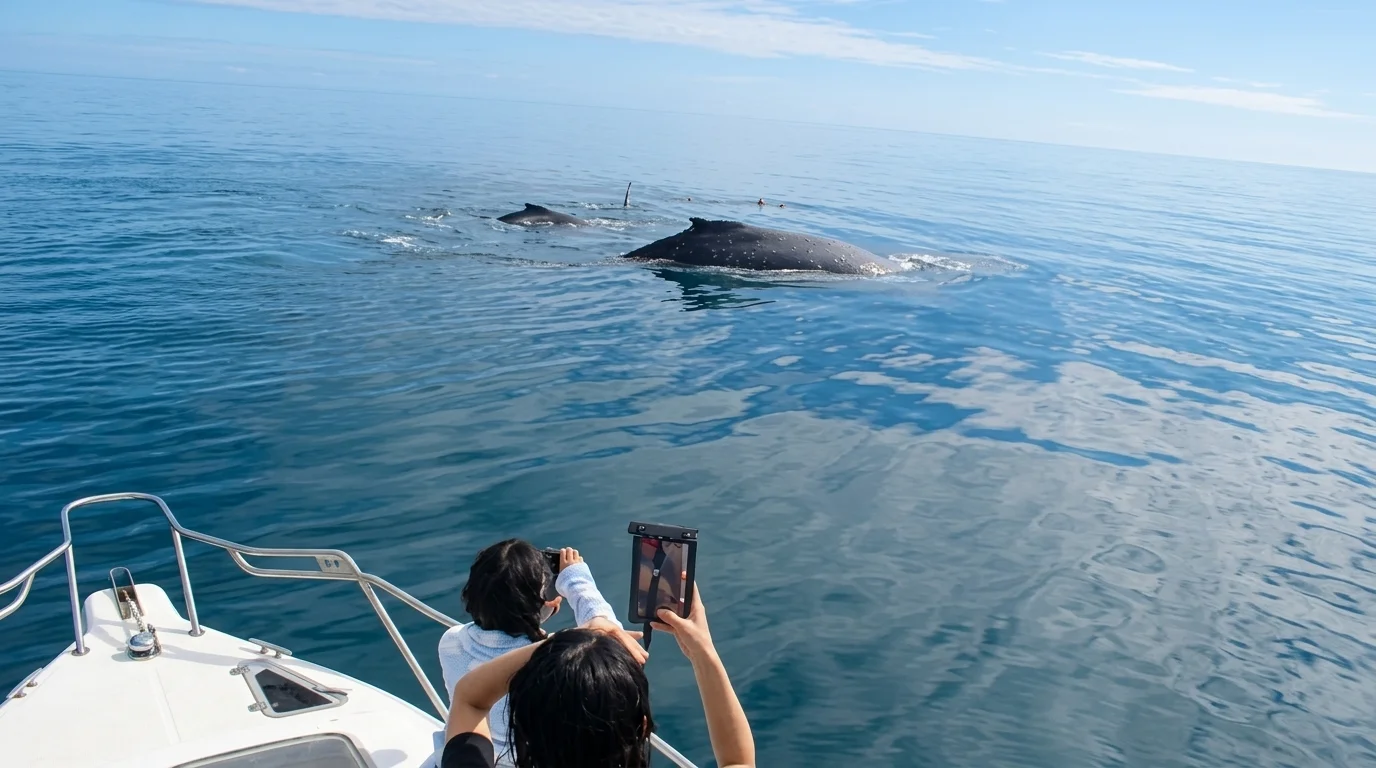
If you are dreaming about swimming with humpback whales, Tonga is one of the most remarkable places in the world to do it. Each year, these gentle giants migrate from Antarctic feeding grounds to the warm tropical waters of the Kingdom of Tonga to mate, give birth, and nurture their calves. For travellers planning a whale swim Tonga experience, one of the most common questions is simple: when is the best time to go?
The short answer is that the humpback whale season Tonga runs from around mid-June through early November, with the prime swim months usually falling between July and October. But the more useful answer is that every part of the season offers something different. Some weeks are known for energetic mating activity, while others are famous for calm, moving encounters with mothers and calves. If you are planning swimming with whales in Tonga, the best time depends on the kind of experience you hope to have.
Why Tonga is such a special place for whale encounters
Tonga is one of the few destinations on earth where visitors can legally and respectfully enter the water with humpback whales under licensed conditions. The waters around Tongatapu and nearby island groups become a nursery and meeting place for whales during the Southern Hemisphere winter. Even though it is technically winter, sea temperatures are often a comfortable 24°C, which makes snorkelling-based whale encounters accessible for many travellers.
That is an important point for first-time guests: a whale swim is a snorkelling experience. You do not need scuba certification or freediving skills to enjoy a meaningful encounter. You simply need to be comfortable in the water, listen to your guide, and be ready for the unpredictability and wonder of nature.
For visitors staying on the main island, swim with whales Tongatapu is a convenient and popular option, with tours departing close to the capital. Many travellers also combine their whale days with other Tonga ocean adventures such as snorkelling, reef trips, and coastal sightseeing.
Understanding the humpback whale season in Tonga
Humpback whales generally begin arriving in Tonga in mid-June and remain until early November. During that period, behaviour changes as the season progresses. Early and mid-season often bring more competitive adult activity, while later months are especially loved for mother-and-calf encounters.
There is no single perfect week that guarantees a certain type of interaction. Wild whales do not follow a script. A calm calf encounter can happen early, and dramatic adult activity can still unfold late in the season. That said, understanding seasonal patterns can help you choose dates with more confidence.
If your goal is to maximise your chances, spending multiple days on the water is always wise. Nature rewards patience, and a longer stay usually creates a better opportunity for quality sightings and in-water encounters.
July and August: exciting energy and peak mating behaviour
Best for travellers hoping to witness heat runs
For many experienced whale lovers, July and August are among the most thrilling months of the season. This is when adult whales are often highly active, and mating behaviour can be more visible. One of the most dramatic spectacles is the famous heat run, where several males pursue a female at speed, competing for mating rights. Seeing that power move through the water is unforgettable.
These months can be ideal if you are drawn to the raw energy of humpbacks in motion. Encounters may be fast-paced and sometimes fleeting, with whales passing close before continuing on. For photographers and repeat visitors, this period often delivers an adrenaline-filled side of the migration.
What to expect in the water
Not every swim in July or August is action-packed. Some encounters are brief fly-bys, while others can become surprisingly calm. You may find yourself floating quietly as a whale approaches for a closer look. The beauty of a whale swim Tonga trip is that no two days are the same.
Because conditions and whale behaviour vary, choosing a licensed operator with a safety-first approach matters. Tongan regulations are designed to protect both whales and guests. For example, only four swimmers plus one certified guide are allowed in the water at one time, vessels must maintain a respectful 5-metre approach distance from whales, and whale swim operations are conducted during daylight hours only. These rules help create safer, lower-impact encounters.
September and October: gentle calf encounters and intimate moments
Best for families, first-timers, and close-up encounters
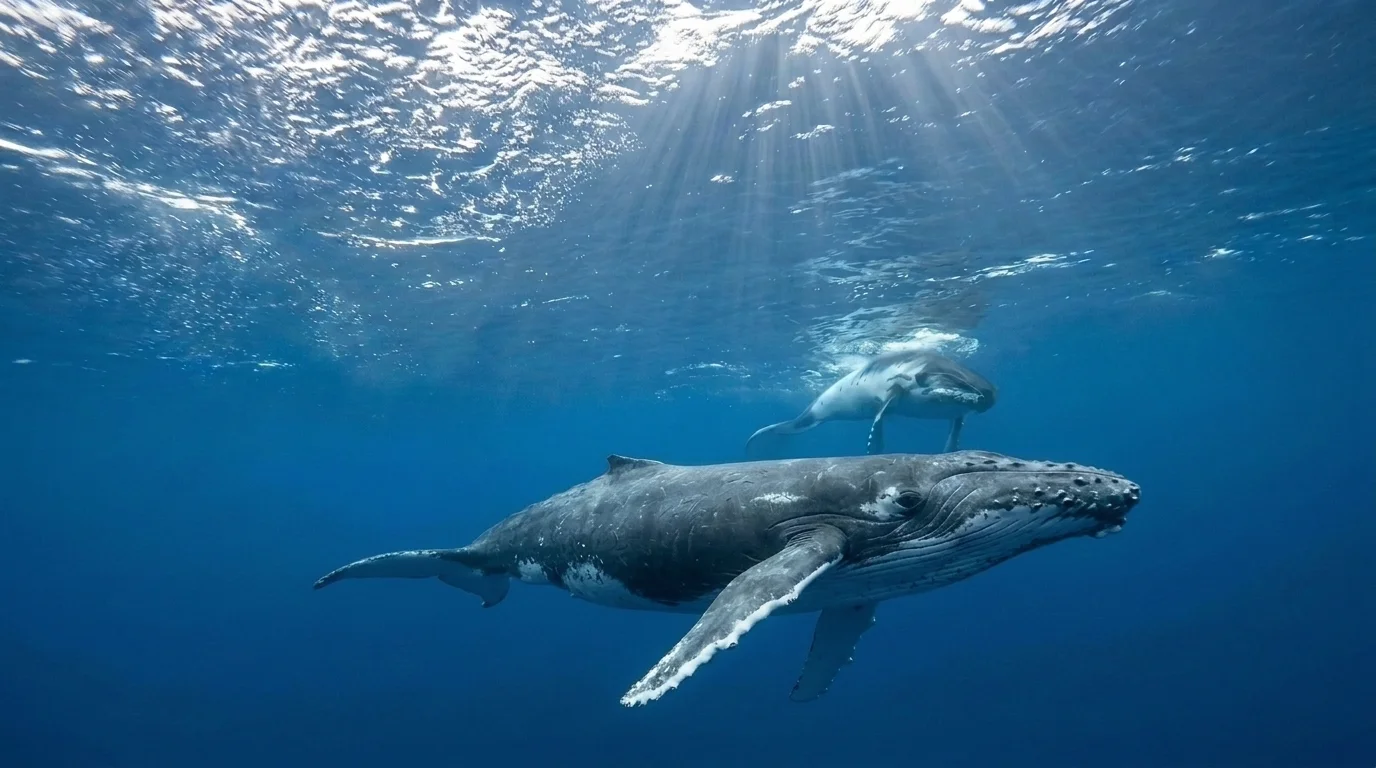
If your dream is a soft, emotional interaction rather than a high-energy chase, September and October are often the standout months. By this stage of the season, many calves have gained confidence and begun exploring the world around them. Curious young whales may linger near swimmers, roll, peek, and create the kind of eye-level moments that stay with people for years.
This is the season many guests picture when they imagine swimming with whales in Tonga: a mother hovering nearby, an escort whale keeping watch, and a calf moving with playful curiosity. These encounters can feel deeply personal and peaceful.
Why late season is so popular
Late season trips are especially appealing for travellers who value relaxed in-water sessions and tender wildlife behaviour. It is also a wonderful time for whale watching tours Nuku'alofa, since departures from Tongatapu make access simple for visitors based in the capital. While there are never guarantees with wildlife, this period is widely loved for its balance of calm seas, warm water, and memorable mother-and-calf sightings.
Can you guarantee a whale swim in Tonga?
No ethical operator should promise a whale encounter every single day. These are wild animals in an open ocean environment, and conditions can change. Weather, sea state, and whale behaviour all influence whether in-water interactions are possible.
What a good operator can offer is experience, local knowledge, and a respectful approach that improves your chances while keeping the welfare of the whales first. Small-group tours are especially valuable because they reduce crowding, allow for better communication in the water, and often create a more relaxed guest experience.
If you are comparing options, it is worth checking practical details such as group size, licensing, departure point, and local reputation. You can also review helpful planning details on the FAQ page before choosing your dates.
How to choose the best month for your travel style
- Choose July to August if you want dynamic behaviour, active adult whales, and the possibility of witnessing heat runs.
- Choose September to October if you hope for calm, moving encounters with mothers and calves.
- Choose a multi-day trip if you want the strongest chance of meaningful water time and varied whale behaviour.
- Choose Tongatapu departures if you want straightforward logistics and easy access from Nuku'alofa.
In truth, the best month is the one that matches your expectations. Some travellers want drama and speed; others want stillness and connection. The magic of the humpback whale season Tonga is that both are possible.
Planning your Tonga whale adventure
When planning your trip, book early for the peak July-to-October period, especially if your travel dates are fixed. Licensed tours can fill quickly during the heart of the season. It is also smart to allow flexibility in your itinerary, as weather may affect sea days.
For travellers searching for book whale tour Tonga options, choosing a local operator based in Tongatapu can make the whole experience smoother. Departing from the main island is convenient for international arrivals, and it gives you access to some of the country’s best whale waters without complicated transfers.
If you are ready to start planning, you can view availability and trip options directly at https://berakhahoceanadventures.com/book/.
Our recommendation for a meaningful whale swim in Tonga
If you are looking for a thoughtful, locally operated experience, Berakhah Ocean Adventures is a strong choice for travellers wanting a more personal day on the water. Their small-group approach, friendly Tongan crew, and safety-first ethos suit guests who want a respectful, comfortable way to experience the July-to-October whale season. Tours depart from Nuku'alofa, Tongatapu, making them an easy option for visitors staying on the main island. Whether you are hoping for a classic swim with whales Tongatapu day or broader Tonga ocean adventures, they offer a local, welcoming way to experience the season.
whale swim Tonga | swim with whales Tongatapu | whale watching tours Nuku'alofa | humpback whale season Tonga | book whale tour Tonga | Tonga ocean adventures | swimming with whales in Tonga
The best time for a whale swim in Tonga depends on whether you want dramatic heat runs or tender calf encounters.
Ready to swim with whales in Tonga?
Experience swimming alongside humpback whales in the clear waters around Tongatapu. Berakhah Ocean Adventures offers small-group whale swim tours, island hopping day trips, and private charters departing from Nuku'alofa. First time? Read our complete whale swimming guide.
Popular tours: Whale Swim Charter — Full-Day • Whale Swim Charter — Private • Island Hopping & Snorkelling Charter — Full-Day • Island Hopping & Snorkelling Charter — Half-Day • Island Hopping & Snorkelling Charter — Private
Whale swim Tonga • Swim with whales Tongatapu • Whale watching tours Nuku'alofa • Humpback whale season Tonga • Book whale tour Tonga • Tonga ocean adventures • Island hopping Tongatapu • Private whale charters Tonga