Article
Responsible Whale Tourism in Tonga — Ethics, Conservation, and Choosing the Right Operator
Swimming with Whales — A Privilege, Not a Product
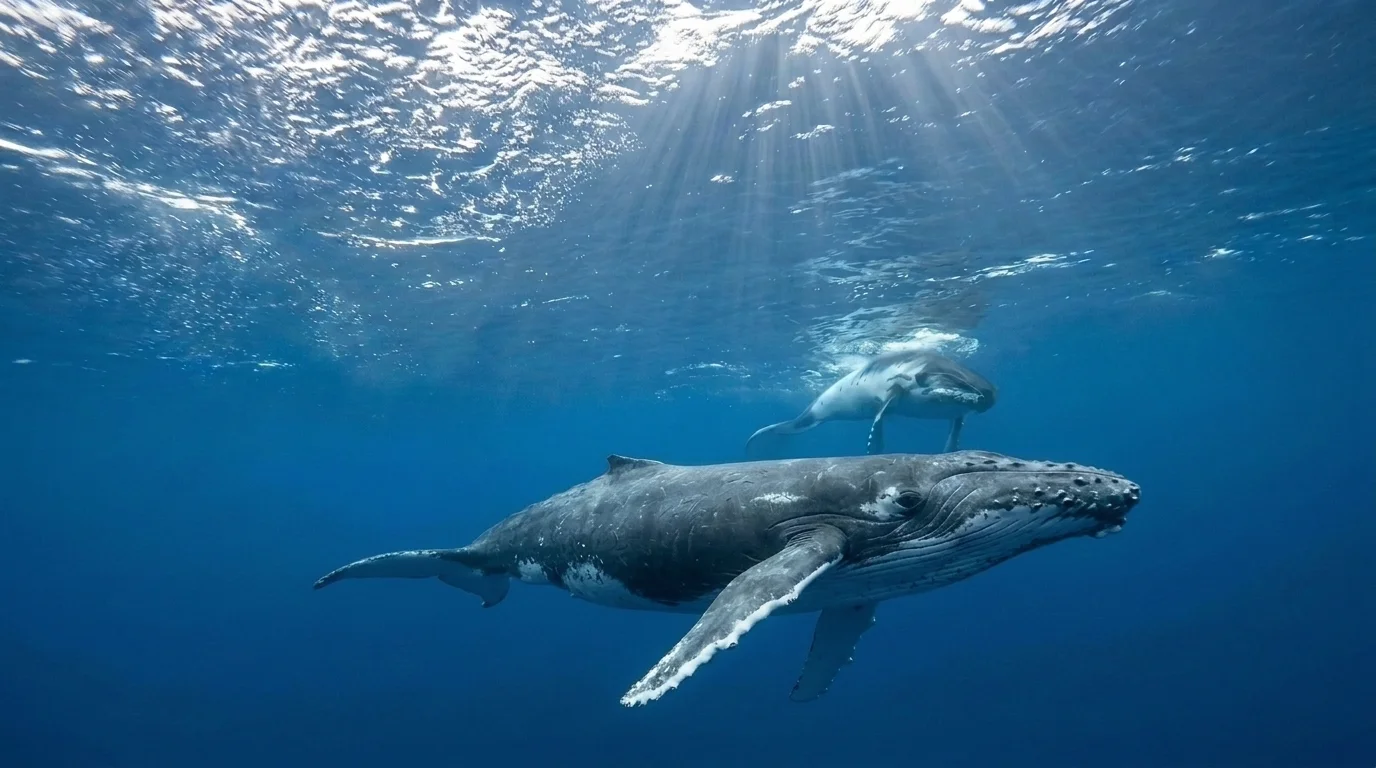
Swimming alongside a humpback whale in the open ocean is one of the most extraordinary wildlife encounters available to humans. But with that privilege comes responsibility. Not every operator approaches whale tourism with the care it deserves. Here's how to make an ethical choice — and why it matters for the whales, the community, and your own experience.
Tonga's Whale Swim Regulations — The Legal Framework
Tonga was one of the first countries in the world to establish formal whale-swim regulations, and its framework is among the strictest. All licensed operators must comply with the Tonga Whale Watching and Swimming Regulations, which include:
These regulations aren't suggestions — they're legal requirements. A licensed operator who breaks them risks losing their licence. If a guide ever suggests bending any of these rules, choose a different operator immediately.
How to Identify an Ethical Whale Swim Operator
Regulations provide the baseline. The best operators go further. Here are the green flags to look for when choosing who to book with:
Green Flags (Book with Confidence)
Red Flags (Choose Another Operator)
The Conservation Story — Why Ethical Tourism Matters
Humpback whales were hunted to the brink of extinction during the 20th century. By the 1960s, the global population had collapsed to approximately 5,000 individuals — down from an estimated pre-whaling population of over 125,000. The International Whaling Commission's 1986 moratorium on commercial whaling gave the species a chance to recover, and today the global population is estimated at around 135,000.
But the recovery is uneven. While some populations (like the eastern Australian stock) have rebounded strongly, the Oceania subpopulation — which includes the whales that migrate to Tonga — remains classified as endangered. Fewer than 5,000 individuals are estimated to remain in this breeding stock.
Responsible whale tourism plays a vital role in conservation. When coastal communities can earn a sustainable living from live whales, the economic incentive to protect them grows. Tonga's whale swim industry has transformed humpbacks from a historical whaling target into the centrepiece of a sustainable tourism economy — one that funds marine protection, employs local people, and gives the world a reason to care about what happens in these waters.
What You Can Do as a Responsible Traveller
Why Berakhah Ocean Adventures Takes This Seriously
We are a Tongan-owned, family-operated business. The whales that visit our waters each year aren't just a tourist attraction to us — they're part of our ocean, our culture, and our responsibility to future generations. Every tour we run follows Tonga's whale-swim regulations to the letter. Our groups are capped at six guests. Our guides are in the water with you every time. And our commitment to ethical, sustainable tourism is not a marketing angle — it's how we've operated since day one.
If you're planning to swim with whales in Tonga, we'd love to host you — but even if you book elsewhere, we hope this guide helps you make an informed, ethical choice. The whales deserve it.
Ready to book with an operator that puts whales first? Book your whale swim with Berakhah Ocean Adventures. Licensed, locally owned, small groups of six, and a genuine commitment to responsible whale tourism — departing daily from Nuku'alofa, Tongatapu, July through October 2026.
Choosing ethical whale tourism helps protect Tonga's endangered Oceania humpback population.
Ready to swim with whales in Tonga?
Experience swimming alongside humpback whales in the clear waters around Tongatapu. Berakhah Ocean Adventures offers small-group whale swim tours, island hopping day trips, and private charters departing from Nuku'alofa. First time? Read our complete whale swimming guide.
Popular tours: Whale Swim Charter — Full-Day • Whale Swim Charter — Private • Island Hopping & Snorkelling Charter — Full-Day • Island Hopping & Snorkelling Charter — Half-Day • Island Hopping & Snorkelling Charter — Private
Whale swim Tonga • Swim with whales Tongatapu • Whale watching tours Nuku'alofa • Humpback whale season Tonga • Book whale tour Tonga • Tonga ocean adventures • Island hopping Tongatapu • Private whale charters Tonga