Back to Articles

Article

First Time Swimming with Whales in Tonga? Everything You Need to Know
Berakhah Ocean Adventures 06 Jul 2026 9 min read

Your First Whale Swim — What Nobody Tells You (Until Now)

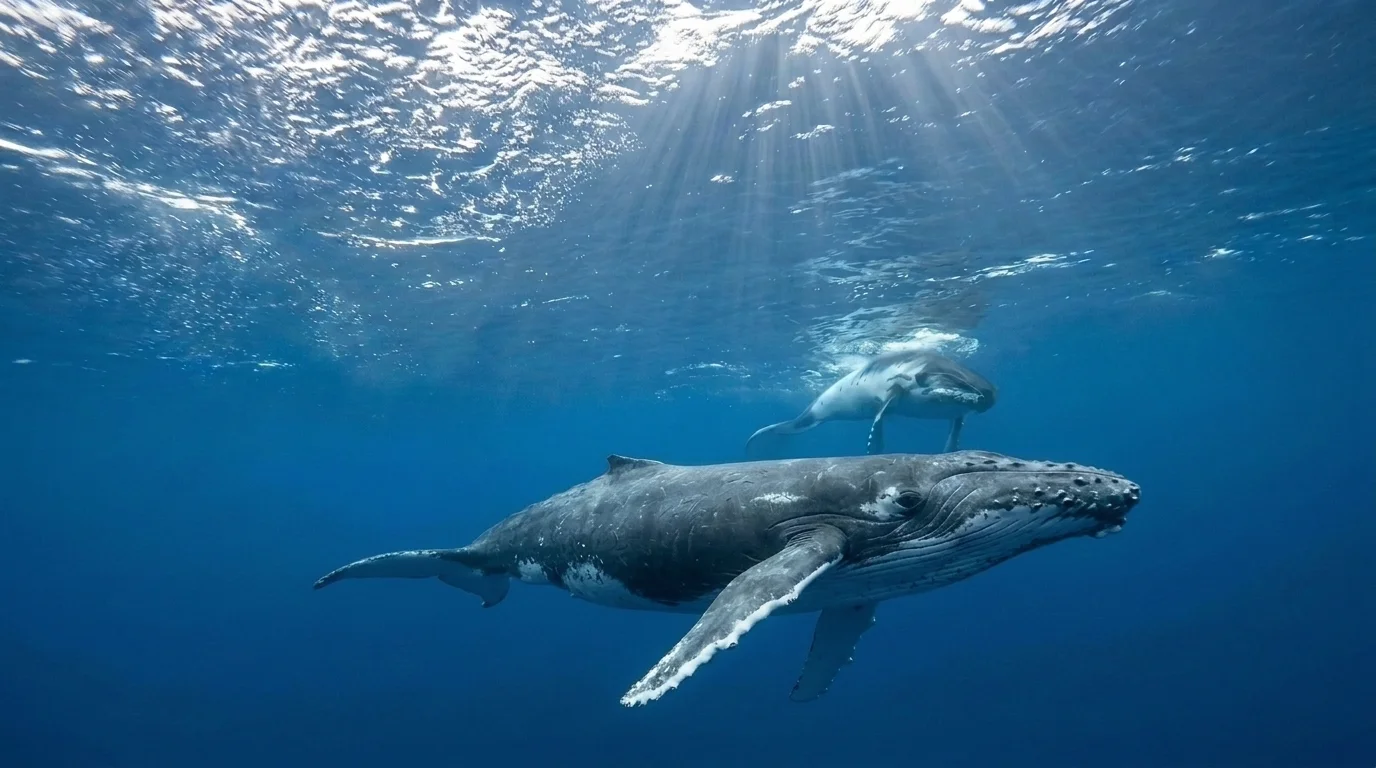
You've seen the photos. You've watched the videos. You've imagined what it would feel like to float in warm, blue water while a 40-tonne humpback whale glides past you. But if you've never done it before, you probably have questions — maybe even some nerves. That's completely normal. Here's everything you need to know before your first whale swim in Tonga.

Do I Need to Be a Strong Swimmer?

This is the #1 question first-timers ask, and the answer surprises most people: you do not need to be an elite swimmer. You do need to be comfortable in open water and able to swim at least 50 metres unassisted, but you'll be wearing a buoyant 2.5mm wetsuit and fins — both of which make staying at the surface effortless.

Here's the honest breakdown:

  • If you can swim laps in a pool: You're more than ready. The wetsuit and fins make open-water swimming significantly easier than pool swimming.
  • If you're comfortable in the ocean but not a lap swimmer: You'll be fine. Our guides assess everyone's comfort level and adapt accordingly.
  • If you're nervous in water deeper than you can stand: Be honest with yourself — and with us. Whale swimming happens in deep, open ocean. A half-day trip is a good way to see how you feel before committing to a full day.
  • If you can't swim: This experience isn't suitable. You'll need to be able to move independently in the water while wearing fins.

Children aged 8 and above who are confident swimmers are welcome on our tours. They must be accompanied by a parent or guardian in the water.

Is Swimming with Whales Safe?

Yes — when done with a licensed, professional operator following Tonga's strict whale-swim regulations. Here's why:

  • Humpback whales are not aggressive toward humans. There is no recorded case of a humpback whale intentionally harming a swimmer. They are intelligent, curious, and generally gentle — especially mothers with calves, which make up the majority of encounters in Tonga.
  • Tonga's regulations protect both whales and swimmers. Only four swimmers plus one certified guide may be in the water at once. Boats stay at a regulated distance. The guide enters first, assesses the whale's behaviour, and only signals swimmers to enter if the whale is calm and receptive.
  • You're never alone. Our guide is in the water with you at all times. They've grown up in these waters and can read whale behaviour in ways that no textbook can teach.
  • You stay at the surface. This is snorkelling, not scuba diving. You float and observe. If a whale approaches, you stay still. If it moves away, you don't chase it. The interaction is entirely on the whale's terms.

What Does a Whale Encounter Actually Feel Like?

Words don't fully capture it, but here's what guests tell us:

"You slip into the water, and at first all you see is blue. Then this massive shape materialises below you — so big your brain struggles to process it. It rises slowly, effortlessly. A calf might be right next to her, maybe 4 metres long and already curious about these strange creatures at the surface. The mother turns, one eye tracking you. She's not scared. She's just... aware. And then she drifts past, so close you could count the barnacles on her chin. Time stops. When you get back on the boat, you realise you've been holding your breath — not from fear, but from awe."

The experience is peaceful, not frightening. Most guests describe it as meditative. The whales are in their element, relaxed, and uninterested in you beyond mild curiosity. You are a guest in their nursery.

What If I Get Seasick?

The waters around Tongatapu are generally calm during whale season (July–October), but seasickness affects some people regardless. Here's how to handle it:

  • Take seasickness medication the night before AND the morning of your tour. The key is having it in your system before you board. Over-the-counter options like Dramamine or natural ginger tablets work for most people.
  • Eat a light breakfast. An empty stomach makes nausea worse. Toast, bananas, or plain crackers are ideal.
  • Stay on deck, eyes on the horizon. Being outside in the fresh air with a fixed visual reference helps your inner ear recalibrate.
  • Once in the water, seasickness vanishes. This is the magic part — the moment you're floating in the ocean, your body adjusts and the nausea disappears. Many guests who felt queasy on the boat have their best swims.

How to Prepare — Physically and Mentally

Before You Leave Home

  • Practise snorkelling. If you haven't snorkelled before, spend an hour at your local pool or beach getting comfortable breathing through a snorkel. The sensation is unusual at first, but your brain adapts quickly.
  • Test your mask fit. A poorly fitting mask that leaks is the #1 frustration for first-timers. If you're buying your own, test it by placing it on your face without the strap and inhaling gently — it should seal and stay put.
  • Build a little fitness. You don't need to train for a triathlon, but being able to swim 100–200 metres comfortably will make your experience much more enjoyable.
  • Manage expectations. Whales are wild animals. No operator can guarantee a swim on any single day. Book 2–3 whale swim days during your stay to give yourself the best chance.

The Night Before Your Tour

  • Get a good night's sleep.
  • Lay out your swimwear, sunscreen, hat, sunglasses, and a change of clothes.
  • Charge your camera (waterproof recommended) or GoPro.
  • Take seasickness medication before bed if you're prone to it.

On the Day

  • Wear your swimsuit under your clothes — there's limited changing space on the boat.
  • Eat a light breakfast. Drink water, but don't overdo it.
  • Apply reef-safe sunscreen 30 minutes before departure (so it absorbs rather than washing straight off).
  • Arrive at Faua Wharf 15 minutes before departure. Our crew will greet you, fit your wetsuit, and brief you on the day ahead.

The Biggest Mistake First-Timers Make

They book one day only.

Here's what happens: you fly to Tonga, book a single whale swim day, and on that day the weather turns, or the whales are elusive, or a swell makes conditions challenging. You go home without the encounter you dreamed of. It happens more often than you'd think.

Book at least two whale swim days — ideally three. This gives you flexibility. If day one is quiet, day two might be extraordinary. If conditions are rough in the morning, we can shift to the afternoon. Multiple days transform your trip from a gamble into a near-certainty.

Our guests who book 3+ days report a 95%+ swim success rate during the peak August–September window.

Ready for Your First Whale Encounter?

You've done the research. You know what to expect. Now it's time to make it real. Book your first whale swim with Berakhah Ocean Adventures — small groups of six, expert Tongan guides who've grown up in these waters, and everything you need provided. Our 2026 whale season runs July through October, with tours departing daily from Nuku'alofa, Tongatapu. There's a first time for everything — make yours unforgettable.

Everything first-timers need to know before swimming with humpback whales in Tonga.

Ready to swim with whales in Tonga?

Experience swimming alongside humpback whales in the clear waters around Tongatapu. Berakhah Ocean Adventures offers small-group whale swim tours, island hopping day trips, and private charters departing from Nuku'alofa. First time? Read our complete whale swimming guide.

Whale swim Tonga • Swim with whales Tongatapu • Whale watching tours Nuku'alofa • Humpback whale season Tonga • Book whale tour Tonga • Tonga ocean adventures • Island hopping Tongatapu • Private whale charters Tonga
Keep Reading

More from the journal