Article
AmazingWhaleTour.webp
The World's Best Whale Swim Destinations : How Tonga Compares
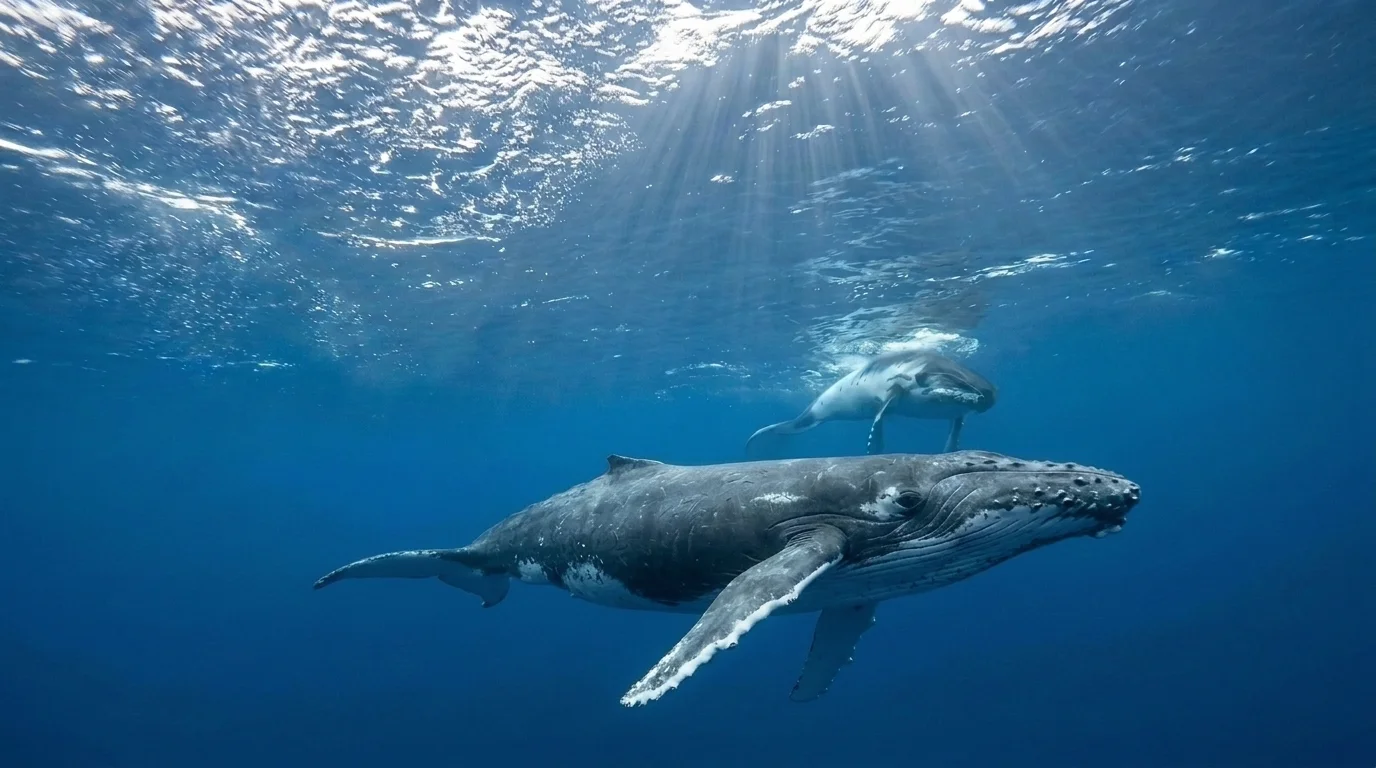
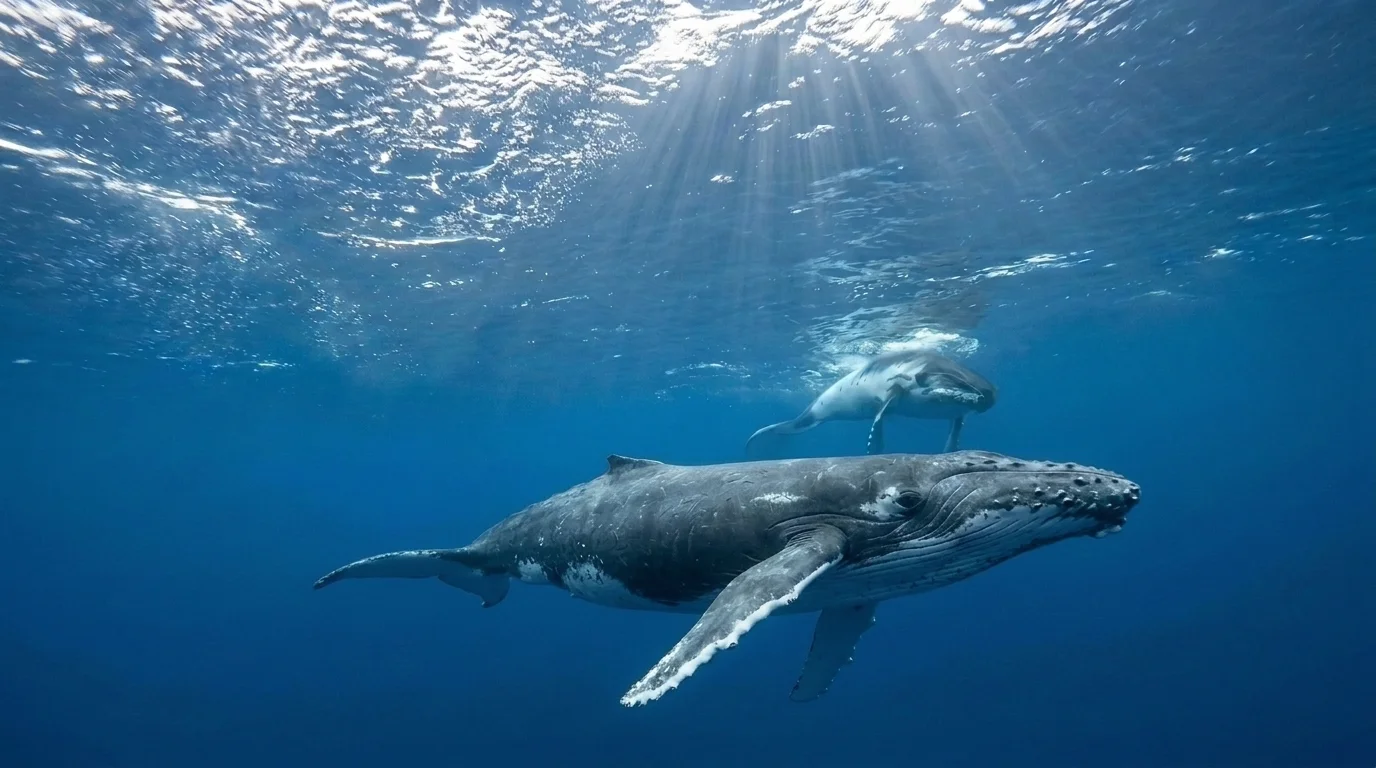
Swimming alongside a humpback whale in the open ocean is one of the most extraordinary wildlife encounters on the planet. But only a handful of countries legally permit in-water whale encounters, and even fewer do it well. If you're researching where to swim with whales, you've likely come across the same shortlist: Tonga, Moorea (French Polynesia), Niue, the Dominican Republic, and a few emerging spots.
So which one is best? The answer depends on what you value most : but for the combination of whale density, ethical regulations, small-group intimacy, and accessibility, Tonga stands alone. Here's an honest, researched comparison to help you decide.
1. Tonga : The Gold Standard for Whale Swimming
Tonga is widely regarded as the world's premier destination for swimming with humpback whales. Every year, between July and October, southern humpback whales migrate over 6,000 kilometres from Antarctic feeding grounds to Tonga's warm, sheltered waters to give birth and nurse their calves.
What makes Tonga special:
Best for: Travellers who want the highest chance of close, calm whale encounters in a well-regulated, ethical environment : without needing to be a professional diver.
2. Moorea, French Polynesia : Beautiful but Limited
Moorea has gained Instagram fame for its crystal-clear lagoons and the chance to snorkel alongside humpback whales from August to November. The water clarity can be stunning, and the mountainous backdrops are undeniably photogenic.
However, Moorea comes with significant caveats:
Best for: Travellers already visiting French Polynesia who want to add a whale experience : not a dedicated whale-swim trip.
3. Niue : Tonga's Quieter Neighbour
Niue, a small island nation about 600 km east of Tonga, also permits swimming with humpback whales from July to October. It's less commercialised and offers a genuinely off-the-beaten-path experience.
The trade-offs:
Best for: Experienced travellers seeking absolute solitude and willing to trade whale density for remoteness.
4. Dominican Republic : Silver Bank
The Silver Bank, off the Dominican Republic's north coast, is one of the only places where you can swim with North Atlantic humpback whales (January–April). It's a completely different population and season.
Key considerations:
Best for: Dedicated whale enthusiasts who want a full-immersion liveaboard experience and are travelling in the Northern Hemisphere winter.
5. Emerging Destinations : Not Yet Ready
A few other locations occasionally offer whale swim experiences : Western Australia (Ningaloo Reef, whale sharks, not humpbacks), Sri Lanka (blue whales, very limited regulation), and Timor-Leste : but none have the established infrastructure, consistent whale numbers, or regulatory framework that Tonga has built over two decades.
Why Tonga Is the Smartest Choice for Most Travellers
When you weigh the factors that matter most : whale encounter reliability, ethical regulations, group size, cost, ease of travel, and overall experience quality : Tonga comes out ahead in nearly every category:
The Bottom Line
If you're planning a trip specifically to swim with humpback whales : not just hoping to see one on a snorkelling tour : Tonga is the destination. It offers the most reliable encounters, the strongest ethical framework, the best value for money, and the easiest logistics. Our whale swim tours depart directly from Nuku'alofa, Tongatapu : step off your international flight at Fua'amotu Airport, stay in town, and walk onto the boat at Faua Wharf. No domestic flights, no complicated transfers.
Ready to experience the world's best whale swim destination for yourself? Book your whale swim with Berakhah Ocean Adventures : small groups of six, licensed Tongan guides, and the warmest welcome in the South Pacific. Our 2026 whale season runs July through October, and peak dates are filling fast.
Tonga offers the world's best regulated, most intimate whale swim experiences.
Ready to swim with whales in Tonga?
Experience swimming alongside humpback whales in the clear waters around Tongatapu. Berakhah Ocean Adventures offers small-group whale swim tours, island hopping day trips, and private charters departing from Nuku'alofa. First time? Read our complete whale swimming guide.
Popular tours: Whale Swim Charter — Full-Day • Whale Swim Charter — Private • Island Hopping & Snorkelling Charter — Full-Day • Island Hopping & Snorkelling Charter — Half-Day • Island Hopping & Snorkelling Charter — Private
Whale swim Tonga • Swim with whales Tongatapu • Whale watching tours Nuku'alofa • Humpback whale season Tonga • Book whale tour Tonga • Tonga ocean adventures • Island hopping Tongatapu • Private whale charters Tonga